Quality
How to Read a Certificate of Analysis (COA) for Coconut and Cocoa Products
PTC Export Desk5 min read
Reading a COA step by step
A certificate of analysis turns a specification into evidence. Here is what a COA should contain, the key parameters for copra, coconut shell charcoal and cocoa beans, and the red flags to watch for.
A certificate of analysis (COA) is a laboratory report showing the measured results for a sample against the parameters in a specification. For commodity buyers it is the document that links the contract specification to the actual goods. Knowing how to read one — and what to question — protects both quality and price.
What every COA should show
- The name and address of the laboratory, and its accreditation (for example ISO/IEC 17025)
- A unique report number, the sample identification and the lot or container it represents
- Who drew the sample, when and how
- The test method used for each parameter
- Results with units, next to the agreed limits
- Date of analysis and an authorised signature
Key parameters by product
| Product | Parameters usually reported |
|---|---|
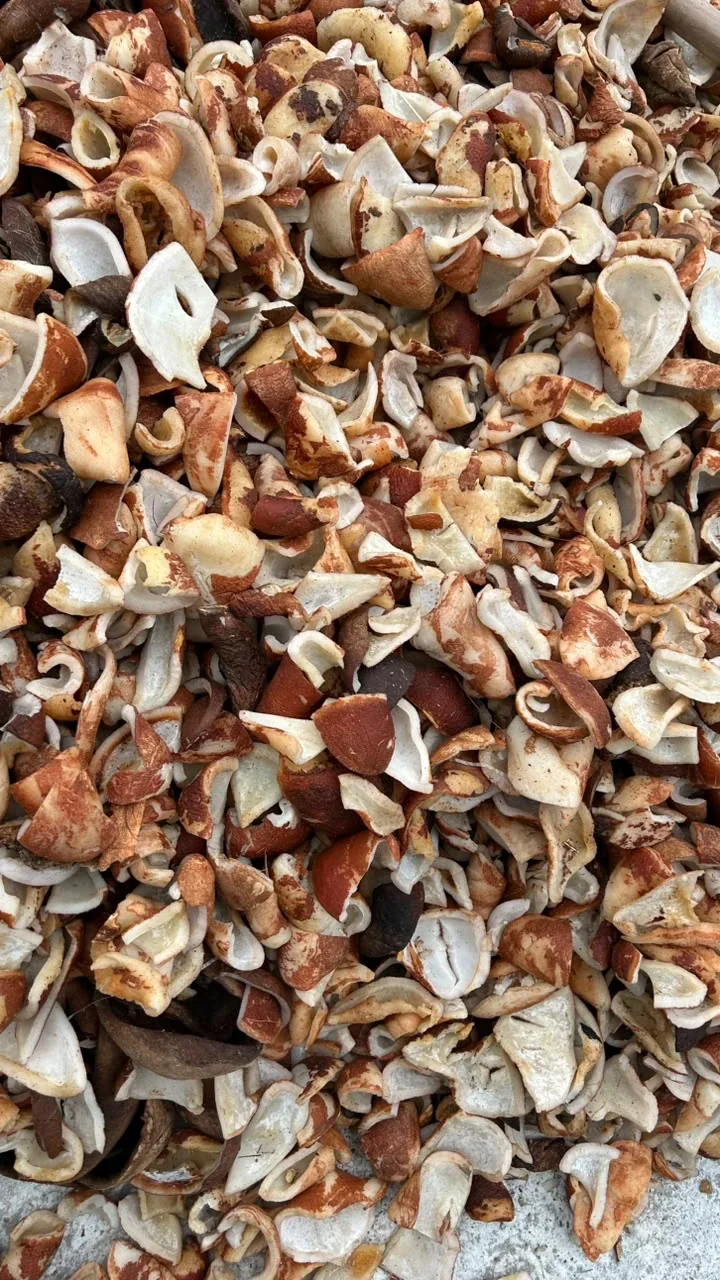
| Copra | Moisture, oil content, free fatty acids (FFA), aflatoxin, foreign matter |
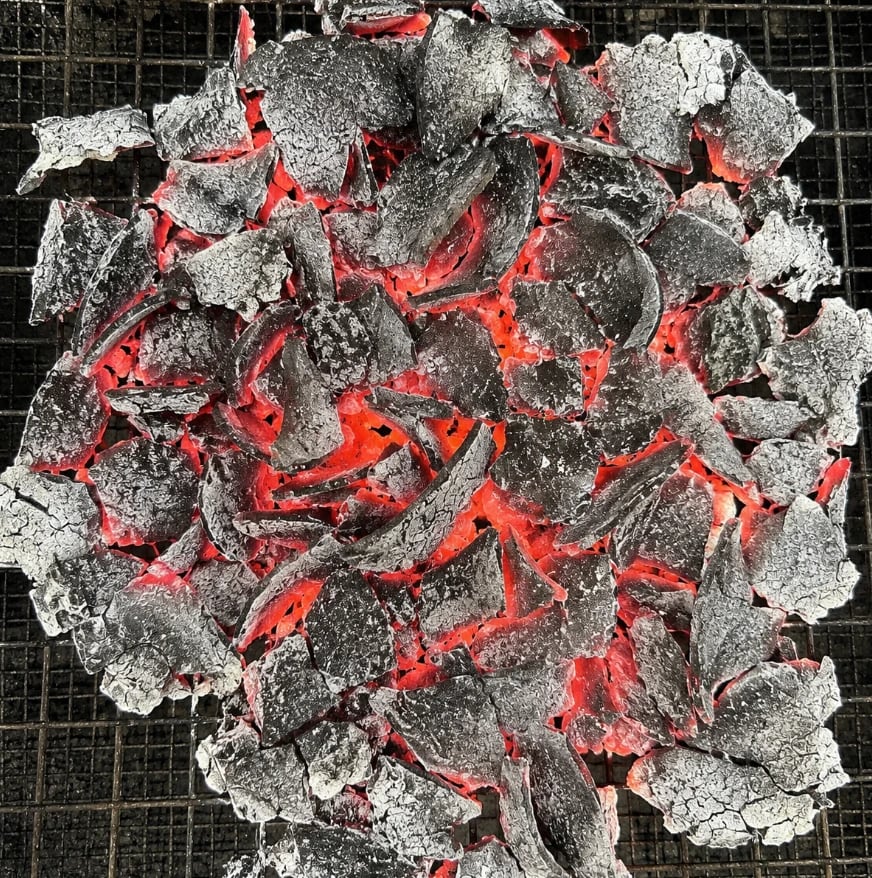
| Coconut shell charcoal | Fixed carbon, ash, volatile matter, moisture, calorific value, size |
| Cocoa beans | Moisture, bean count per 100 g, cut-test results, waste and foreign matter |
Supplier COA or independent inspection?
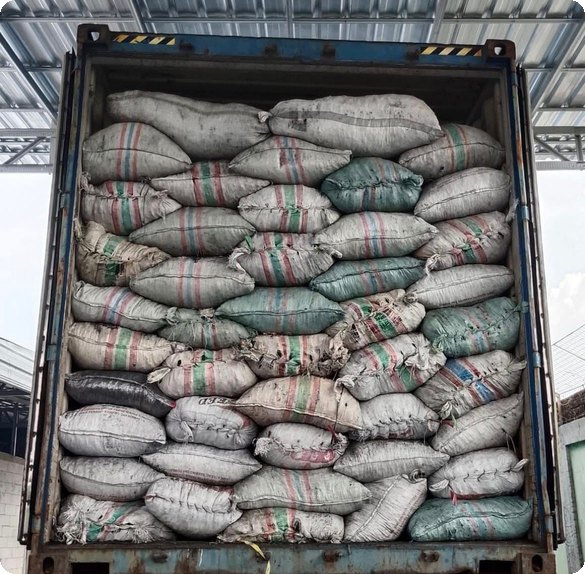
A supplier's COA is useful for routine shipments, but for a first order or a large contract many buyers appoint an independent surveyor to draw samples at loading and test them in an accredited laboratory. The result then carries the weight of a neutral third party, which also helps if a quality claim arises at destination.
Red flags
- No laboratory accreditation, or no test methods listed
- Sample identification that cannot be linked to the lot or container
- Every result exactly on the limit, or identical results across different lots
- A report dated long before the loading date
- Missing parameters that the contract specifies
PT Premium Tropical Commodities agrees the parameters, sampling point and laboratory with each buyer before loading, and independent pre-shipment inspection can be arranged on request.
Frequently asked questions
What is a certificate of analysis?
A laboratory report that lists the measured results of a sample against agreed quality parameters, with test methods, sample details and an authorised signature.
What should a copra COA include?
Typically moisture, oil content, free fatty acids, aflatoxin and foreign matter, each with its unit, test method and the agreed limit.
Why does ISO/IEC 17025 accreditation matter?
It shows the laboratory has been assessed for technical competence and reliable test results, which makes its COA more credible in a dispute.
Related products
Have a question about this topic?
Our team will answer with specifications, availability and terms for your market.