
Quality
Cocoa Bean Cut Test and Bean Count: How Cocoa Bean Quality Is Graded
PTC Export Desk6 min read
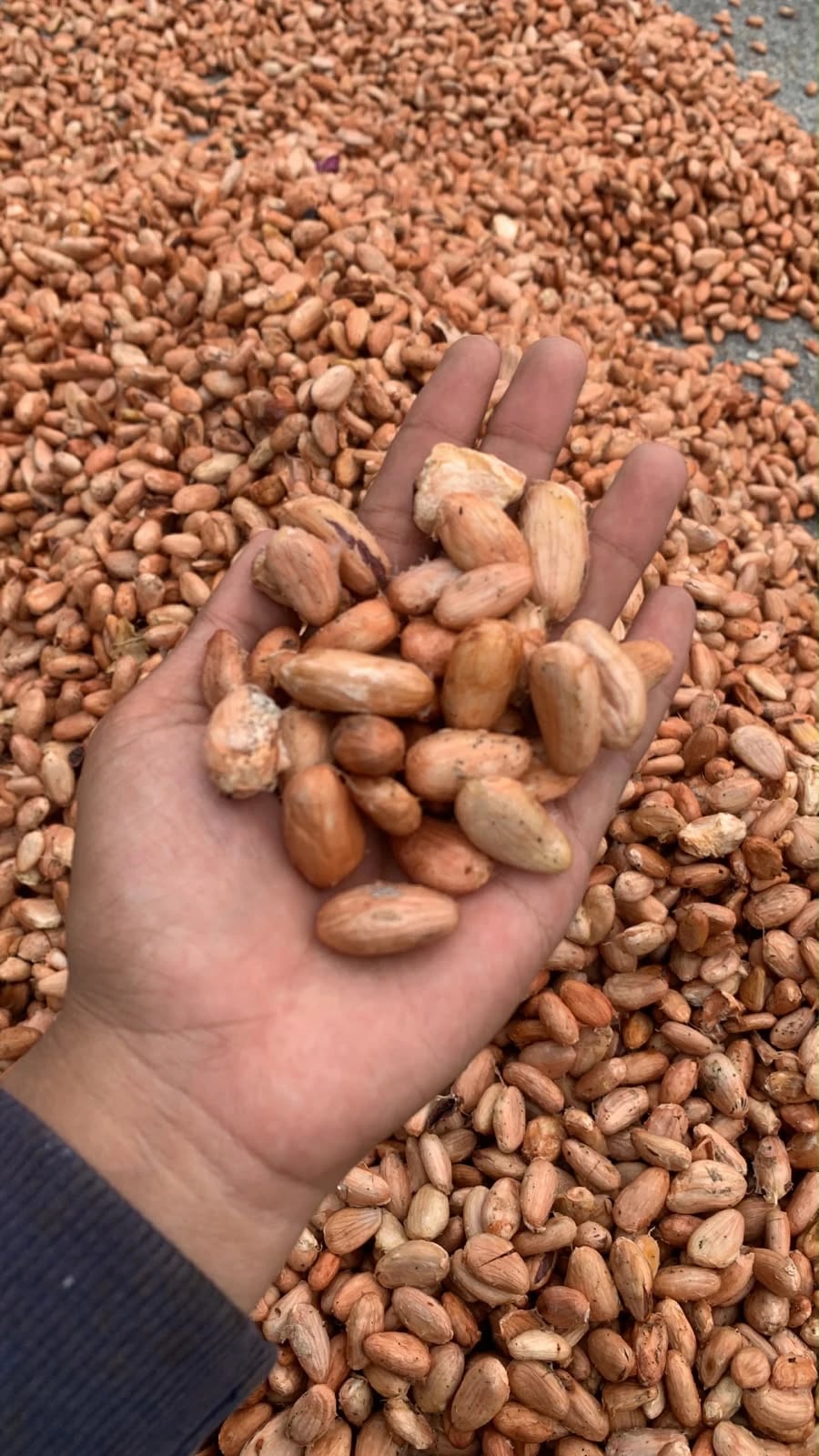
Cocoa cut test and bean count
The cut test and the bean count are the two checks every cocoa buyer uses. Here is how they work, what the defects mean, and how Indonesia's SNI 2323 groups beans by size.
Two simple tests tell a cocoa buyer most of what they need to know about a lot of dried cocoa beans: the cut test, which looks inside the beans, and the bean count, which measures their size. Both are quick, cheap and widely used in contracts, which is why they are usually the first results a buyer asks for.
How the cut test works
A representative sample of beans is drawn from the lot — commonly 300 beans — and each bean is cut lengthwise through the middle. The cut faces are examined in good light and every bean is placed in a category. Results are reported as a percentage of beans in each category.
| Cut-test category | What it shows |
|---|---|
| Mouldy | Visible mould inside the bean; affects flavour and food safety |
| Slaty | Grey, compact interior; typical of beans that were not fermented |
| Insect-damaged | Holes or tunnels caused by insects |
| Germinated | The shell is pierced by the growing germ |
| Flat | Beans too thin to cut through the cotyledons |
| Brown / purple | Colour of the interior; linked to the degree of fermentation |
Bean count: size per 100 grams
The bean count is the number of beans in 100 grams. Fewer beans per 100 g means larger beans, which usually give a better shell-to-nib ratio for processors. Indonesia's national standard for cocoa beans, SNI 2323:2008, groups beans into size classes by bean count.
| SNI 2323 size class | Beans per 100 g |
|---|---|
| AA | 85 or fewer |
| A | 86 – 100 |
| B | 101 – 110 |
| C | 111 – 120 |
| S | More than 120 |
Other parameters buyers check
- Moisture content — dried cocoa beans are commonly specified at a maximum of 7.5%
- Waste and foreign matter, such as stones, pieces of pod and placenta
- Broken beans and bean clusters
- Odour: smoky, mouldy or other off-odours are a reason for rejection
Unfermented beans and the cut test
Unfermented, sun-dried beans — the type PT Premium Tropical Commodities currently offers from Central Sulawesi — naturally show a high share of slaty beans in a cut test. That is expected for the product and is not a defect in itself; it is why the fermentation status should be stated clearly in the contract. Buyers who need fermented beans should say so before sampling.
Frequently asked questions
How many beans are used in a cocoa cut test?
A cut test commonly uses 300 beans drawn from a representative sample of the lot. Each bean is cut lengthwise and classified by what is visible on the cut surface.
What does a slaty cocoa bean mean?
A slaty bean has a grey, compact interior. It usually indicates that the bean was not fermented, so slaty beans are expected in unfermented cocoa.
What is a good cocoa bean count?
Lower is larger. Under SNI 2323:2008, class AA means 85 beans or fewer per 100 g and class A means 86 to 100 beans per 100 g.
Related products
Have a question about this topic?
Our team will answer with specifications, availability and terms for your market.