Product insight
Why Coconut Shell Charcoal Is the Raw Material of Choice for Activated Carbon
PTC Export Desk5 min read
Water filters, gold recovery and air purification all rely on activated carbon — and much of the best of it starts as coconut shell. Here is why, and what producers check in the charcoal.
Activated carbon is one of the quiet workhorses of modern industry. It cleans drinking water, recovers gold from ore, removes odours from air and purifies food and pharmaceutical ingredients. It can be made from coal, wood or nutshells — but coconut shell has become a preferred feedstock for many of the most demanding applications. The reason starts with the shell itself.
What makes coconut shell different
- A dense, hard structure that produces strong granules with low dust
- A pore structure dominated by micropores — ideal for capturing small molecules
- Naturally low ash, which means a cleaner final product
- A renewable by-product of the coconut industry rather than a mined material
From shell to activated carbon in two stages
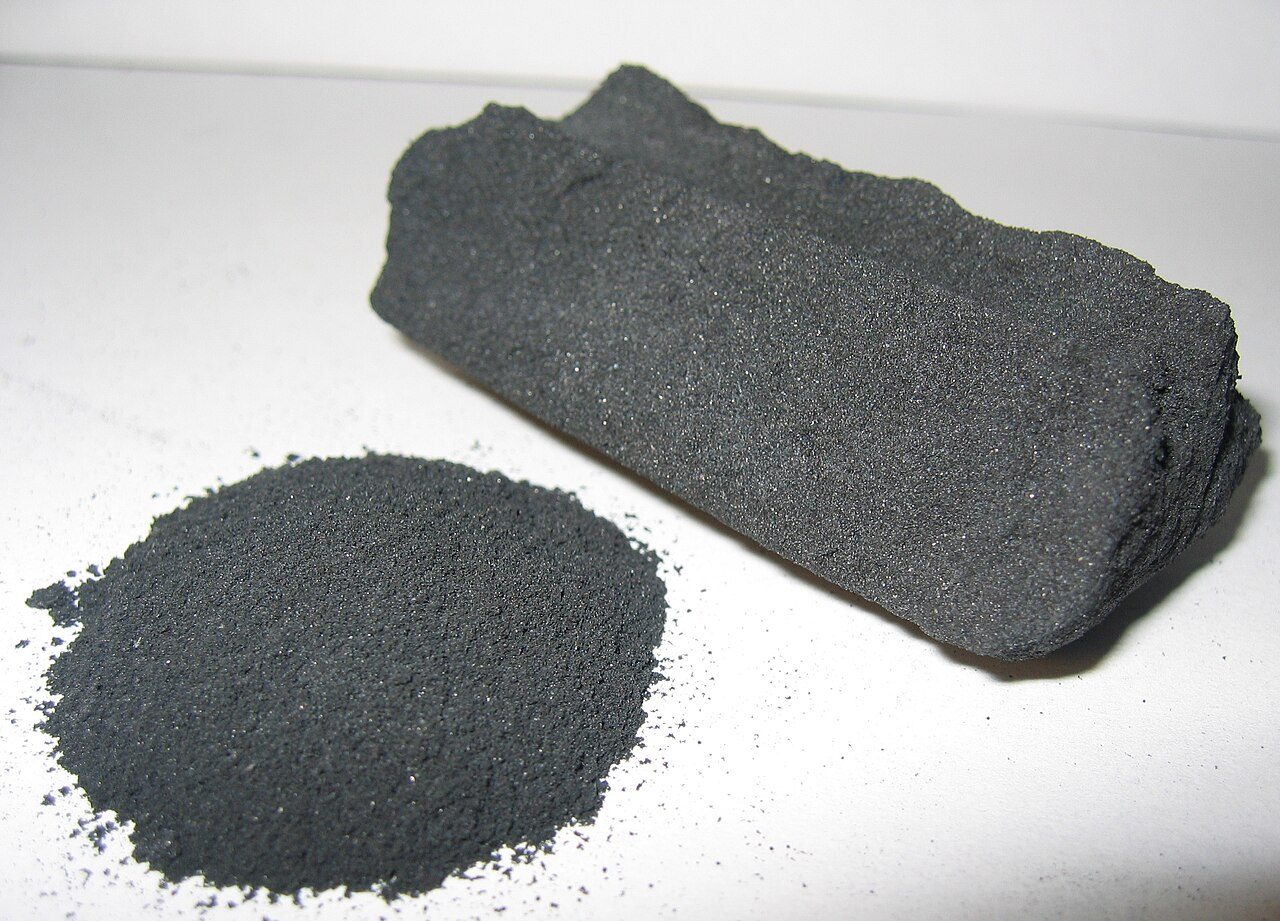
First, coconut shells are carbonised into charcoal by heating them with limited oxygen. Second, the charcoal is activated — most commonly with steam at high temperature — which opens up a vast network of internal pores. It is this pore network, not the carbon alone, that gives activated carbon its adsorption capacity. The quality of the charcoal going in sets the ceiling for the quality of the activated carbon coming out.
Where coconut shell activated carbon is used
| Application | Why coconut shell carbon fits |
|---|---|
| Drinking water and point-of-use filters | Micropores capture chlorine, taste and odour compounds |
| Gold recovery | Hard granules resist abrasion in carbon-in-pulp circuits |
| Air and gas purification | High surface area for small vapour molecules |
| Food, beverage and pharmaceutical purification | Low ash and a clean, consistent product |
What activated carbon producers check in the charcoal
Producers judge incoming charcoal on a handful of parameters. Fixed carbon shows how much carbon is available to activate. Ash should be low, because ash ends up in the final product. Moisture affects both weight and processing, and volatile matter shows how completely the shell was carbonised. Size and the share of fines matter for handling and yield.
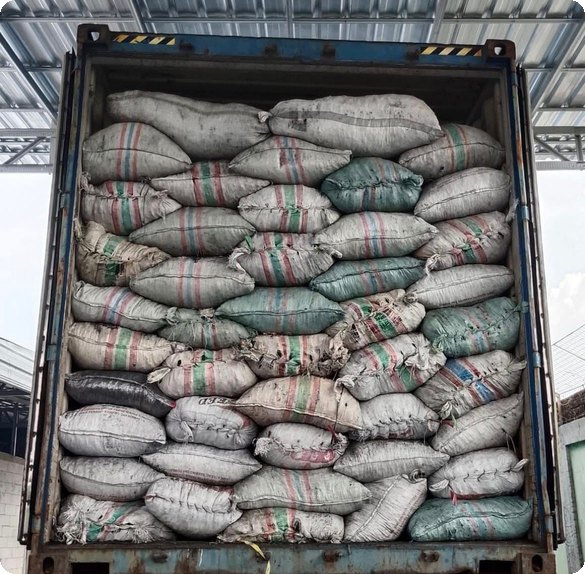
Our coconut shell charcoal is made from 100% coconut shell sourced in Sulawesi and Java. It is supplied with fixed carbon of at least 78%, ash of no more than 3% and moisture of no more than 15%, in natural size or as requested, packed in PP bags or as specified by the buyer.
Tips for buyers
- Agree the test method for every parameter in the contract
- Test a sample in your own activation process before committing to volume
- Specify size range and maximum fines if your process is sensitive to them
- Discuss packaging and container loading early to keep handling losses low
Frequently asked questions
Why is coconut shell used for activated carbon?
Its dense structure gives hard granules, it develops a large share of micropores during activation, and it is naturally low in ash.
What fixed carbon does PTC's coconut shell charcoal have?
A minimum of 78%, with ash of no more than 3% and moisture of no more than 15%.
Can I get a sample before ordering?
Yes. Samples are available on request, subject to the product and shipping arrangements.
Related products
Have a question about this topic?
Our team will answer with specifications, availability and terms for your market.