
Industry insight
From Copra to Coconut Oil: How the Value Chain Works, Step by Step
PTC Export Desk5 min read
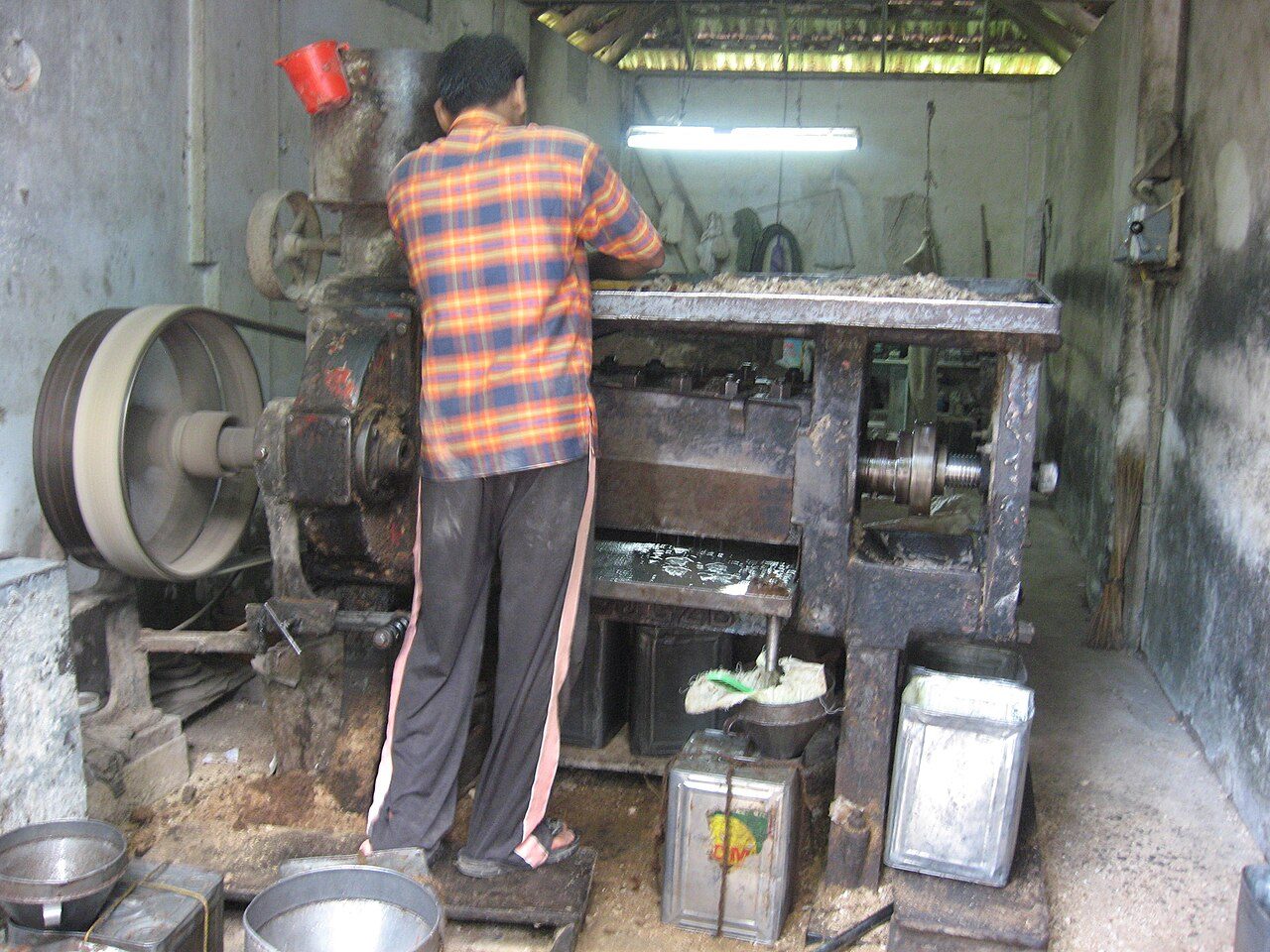
Copra to coconut oil
Photo: Amolnaik3k · Public domain
How a coconut becomes copra, crude coconut oil, refined oil and copra meal — and where quality is won or lost along the way.
Coconut oil sits in kitchens, soaps, cosmetics and oleochemical plants around the world. Most of it is still made the traditional way: from copra, the dried meat of the coconut. Understanding the steps between a coconut palm and a tank of refined oil helps buyers see why copra quality matters so much — and where problems usually begin.
Step 1 — Harvest and splitting
Mature coconuts are harvested, dehusked and split open. Fresh coconut meat contains a large amount of water, so it cannot be stored or shipped for long without drying.
Step 2 — Drying into copra
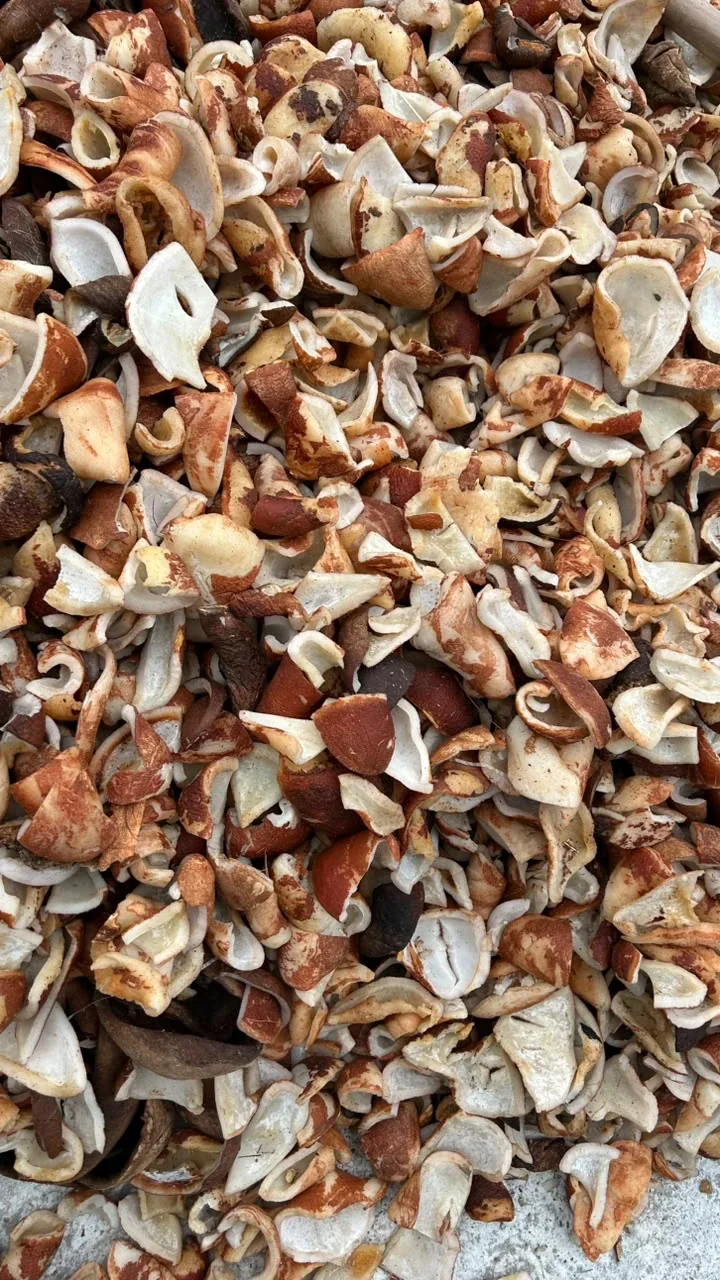
The meat is dried in the sun, in smoke kilns or in hot-air dryers until its moisture falls to a low, single-digit level. This is the most important quality step in the whole chain. Fast, even drying gives white, clean copra; slow or uneven drying invites mould, raises free fatty acid (FFA) and darkens the oil.
Step 3 — Pressing crude coconut oil
At the oil mill, copra is cleaned, crushed and pressed in expellers. Some mills also use solvent extraction to recover more oil from the press cake. The result is crude coconut oil (CNO), which is traded internationally in its own right.
Step 4 — Refining, bleaching and deodorising
For food and many cosmetic uses, crude oil is refined, bleached and deodorised into RBD coconut oil. Refining removes free fatty acids, colour and odour. The higher the FFA and the darker the crude oil, the higher the refining loss — which is why oil mills pay close attention to the copra they buy.
Step 5 — Copra meal for animal feed
What remains after pressing is copra meal, also called copra cake. It is a protein- and fibre-rich ingredient used in animal feed. Copra quality affects the meal too: poorly dried copra can carry mould, and buyers of feed ingredients check carefully for contamination.
| Stage | Output | Quality watch point |
|---|---|---|
| Drying | Copra | Moisture, mould, colour |
| Pressing | Crude coconut oil (CNO) | FFA, colour, oil yield |
| Refining | RBD coconut oil | Refining loss |
| By-product | Copra meal | Contamination, protein |
What this means when you buy copra
Agree grade, moisture, FFA and foreign matter in writing, together with the test method. PT Premium Tropical Commodities supplies copra from Sulawesi and Java in three grades — Grade A Edible, Grade B Regular and Grade C Cracked — usually loaded in bulk in 20 ft or 40 ft containers. Specification values are confirmed per grade and per inquiry.
Frequently asked questions
What is copra used for?
Mainly for pressing crude coconut oil. The by-product, copra meal, is used in animal feed.
Why does copra moisture matter so much?
Under-dried copra can grow mould and develop higher free fatty acids, which darkens the oil and increases refining losses.
Which copra grades does PTC supply?
Grade A Edible, Grade B Regular and Grade C Cracked, with specification values confirmed per grade and per inquiry.
Related products
Have a question about this topic?
Our team will answer with specifications, availability and terms for your market.