Trade guide
Copra from Indonesia or the Philippines? What Buyers Compare
PTC Export Desk5 min read

Copra sourcing Indonesia vs Philippines
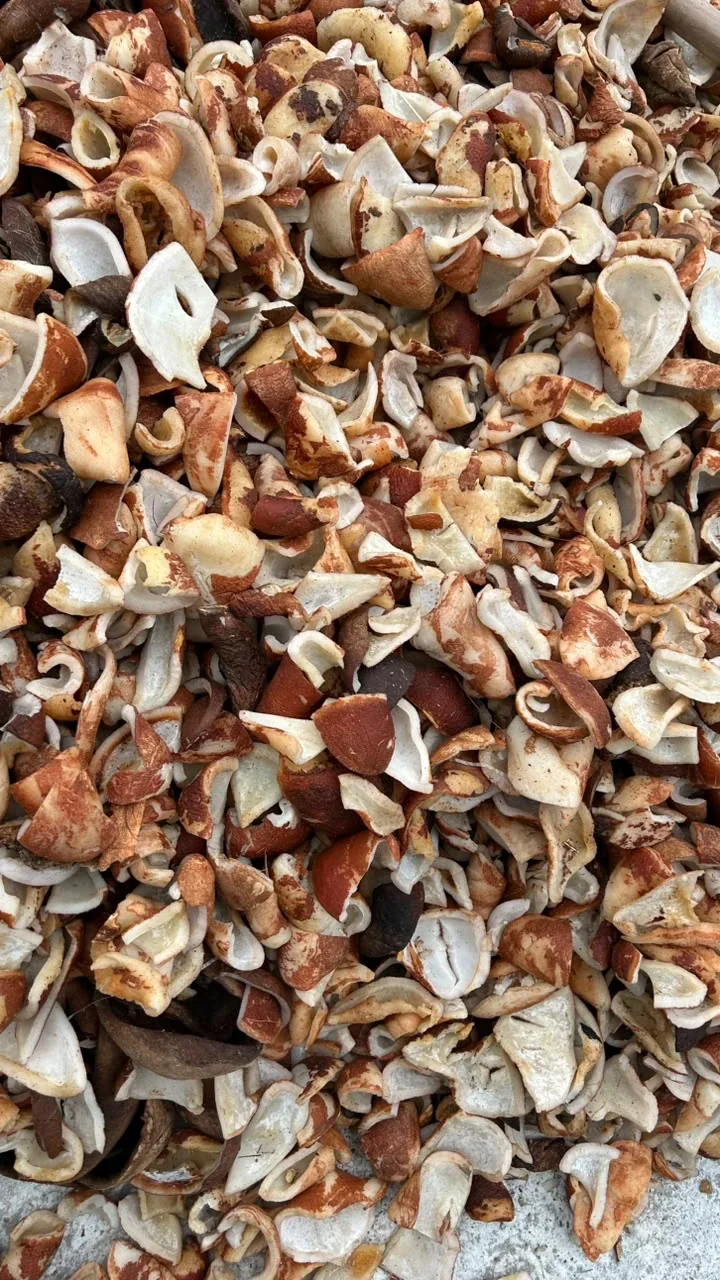
Photo: Biag arnel · CC BY-SA 4.0
The Philippines is the best-known copra origin; Indonesia is a major coconut producer with growing export capacity. Here are the criteria buyers use to compare the two and why many keep both.
For decades the Philippines has been the best-known source of copra and coconut oil, while Indonesia is another of the world's leading coconut producers. Mills that depend on a single origin carry a single weather, policy and shipping risk, which is why many buyers keep more than one origin on their supplier list. This article sets out the criteria that matter, not a ranking.
Criteria buyers compare
| Criterion | What to check |
|---|---|
| Quality parameters | Moisture, oil content, free fatty acid and mould or aflatoxin limits |
| Grade consistency | Same specification lot after lot, backed by an analysis certificate |
| Supply regions | Where the copra is dried and collected, and how many sources per lot |
| Logistics | Loading port, container availability, transit time to your port |
| Policy and compliance | Export rules, levies and documents required at origin |
| Terms | Minimum order, payment method, Incoterm |
What Indonesian origin offers
PTC supplies copra sourced from Sulawesi, Maluku, East Java, Lampung and North Sumatra, coordinated from Surabaya. We offer Edible Copra (moisture at most 5%, oil content at least 65%, free fatty acid at most 0.3%) and Milling Copra (oil content at least 61%), packed in 25 kg sacks in a 20 ft container as the minimum order.
A practical way to start
Request a specification sheet and a sample from each origin, test them in your own laboratory, then place a trial order of one container. Keeping two origins gives you room to react if weather or policy changes one of them.
Frequently asked questions
Is Indonesian copra as good as Philippine copra?
Quality depends on the supplier, drying and handling, not only on the country. Compare on specification and certificates of analysis.
What copra specification does PTC offer?
Edible Copra with oil content at least 65% and free fatty acid at most 0.3%, and Milling Copra with oil content at least 61%.
Why use two origins?
It spreads weather, policy and shipping risk across more than one supply region.
Related products
Have a question about this topic?
Our team will answer with specifications, availability and terms for your market.