Product insight
Coconut Shell Charcoal from Indonesia: Uses, Specifications and How to Buy
PTC Export Desk5 min read
From activated carbon to briquettes: how coconut shell charcoal is made, which specifications matter for each use, and what to agree with an Indonesian supplier.
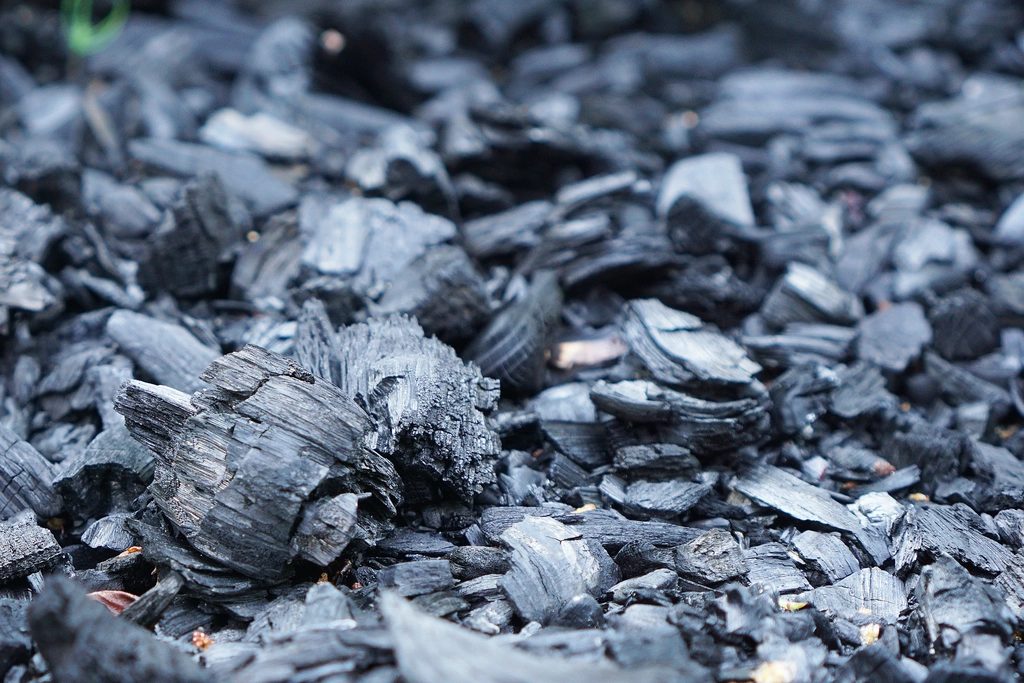
Coconut shell charcoal is made by carbonising the hard inner shell of the coconut in a kiln or pit with limited oxygen. Because coconut shell is dense and naturally low in ash, the charcoal it produces is valued as a raw material for activated carbon and for high-quality briquettes. With its large coconut processing base, Indonesia is an important source for manufacturers worldwide.
Where coconut shell charcoal is used
- Activated carbon — coconut-based activated carbon is widely used in water treatment, air filtration and gold recovery thanks to its hardness and fine pore structure
- Briquettes — ground charcoal is mixed with a binder and pressed into briquettes for shisha and barbecue
- Industrial fuel and other industrial applications
The specifications that matter
| Parameter | Why it matters | PTC reference |
|---|---|---|
| Fixed carbon | Energy value and activation yield | Min. 78% |
| Ash content | Residue and impurities after burning | Max. 3% |
| Moisture | Weight you pay for; ignition and burning | Max. 15% |
| Volatile matter | Shows how completely the shell was carbonised | As agreed |
| Size | Handling and your processing line | Natural or upon request |
Our charcoal is made from 100% coconut shell and burns to a white or grey ash. Activated carbon producers usually focus on fixed carbon, ash and hardness, while briquette makers also pay close attention to moisture and particle size.
Quality risks to watch for
- Under-carbonised, brownish pieces with high volatile matter
- Sand, stones or husk fibre mixed into the lot
- Charcoal from other raw materials blended with coconut shell
- Moisture picked up after production through poor storage
A sample tested in your own laboratory, followed by independent inspection before loading, is the most reliable way to manage these risks.
Packing, shipping and documents
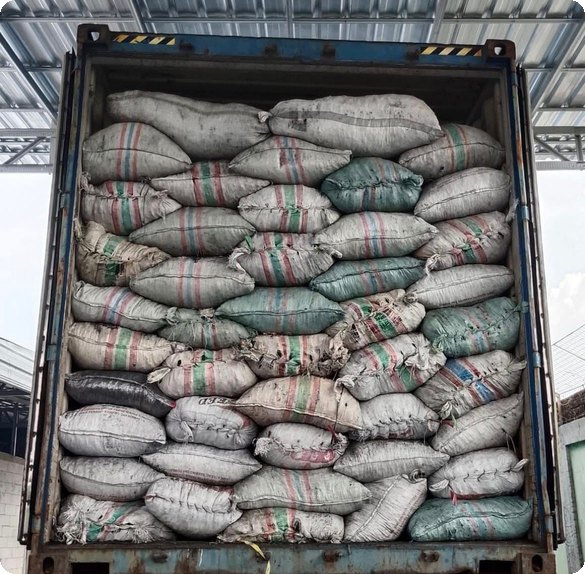
Coconut shell charcoal is packed in PP bags or custom packaging and shipped in containers that must be kept dry. Shipping lines usually ask for a Material Safety Data Sheet (MSDS) and, in many cases, a self-heating test report before they accept charcoal cargo, so it pays to arrange these documents early in the booking process.
How to order
Tell us your required specifications, size, packaging, target volume and destination port. PTC sources coconut shell charcoal from Palu and Tolitoli in Central Sulawesi, Makassar in South Sulawesi and East Java, and our minimum order is one 20 ft container.
Frequently asked questions
Is coconut shell charcoal the same as coconut charcoal briquettes?
No. Coconut shell charcoal is the carbonised shell itself; briquettes are made by grinding that charcoal, mixing it with a binder and pressing it into shape.
What fixed carbon content does PTC's charcoal have?
Our reference specification is fixed carbon min. 78%, ash max. 3% and moisture max. 15%, confirmed per inquiry.
Which documents are needed to ship coconut shell charcoal?
Besides the standard invoice, packing list, bill of lading and certificate of origin, shipping lines usually require an MSDS and often a self-heating test report.
Related products
Have a question about this topic?
Our team will answer with specifications, availability and terms for your market.