
Quality
Copra Quality Explained: Moisture, FFA and Aflatoxin Risk
PTC Export Desk5 min read
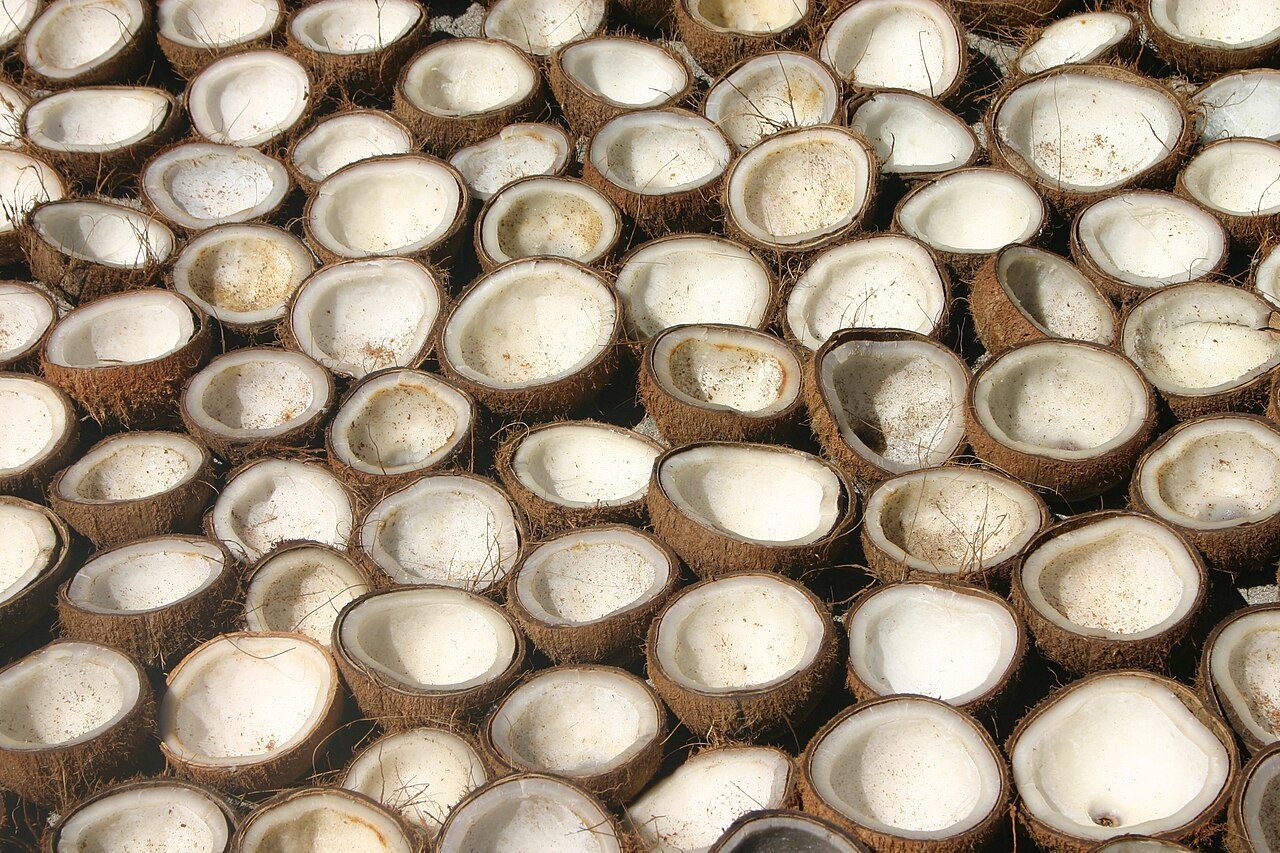
Copra quality explained
Photo: Peter Davis / AusAID · CC BY 2.0
The three numbers that decide copra value — and how drying, storage and shipping protect them. A practical quality guide for oil mills and traders.
When an oil mill rejects a copra shipment, the reason is rarely the colour of the paperwork. It is almost always one of three things: moisture, free fatty acid (FFA) or mould — and with mould comes the risk of aflatoxin. Each is linked to how the copra was dried and stored.
1. Moisture
Moisture is the starting point. Copra that is not dried enough keeps enough water for moulds and bacteria to grow, and it can heat up in storage. Moisture also matters commercially: buyers pay for oil, not water. Contracts therefore set a maximum moisture level, and well-dried copra is typically brought down to a low, single-digit level.
2. Free fatty acid (FFA)
FFA shows how much of the oil has started to break down. It rises when copra is under-dried, damaged or stored too long in warm, humid conditions. High FFA means higher refining losses at the mill, which is why it is one of the most closely watched copra parameters.
3. Mould and aflatoxin
Aflatoxins are toxins produced by certain moulds, mainly Aspergillus flavus, that can grow on poorly dried copra. They are a concern above all for copra meal used in animal feed, and many importing countries set limits for them. The most effective defence is prevention: drying the meat quickly and evenly and keeping it dry afterwards.
| Parameter | Main cause of problems | Prevention |
|---|---|---|
| Moisture | Slow or incomplete drying | Fast, even drying; moisture checks before loading |
| FFA | Under-drying, damage, long warm storage | Good drying, clean handling, shorter storage |
| Mould / aflatoxin | Moisture left in the copra | Dry quickly, store dry, ventilate |
| Foreign matter | Poor cleaning | Sorting and cleaning before packing |
Protecting quality during shipping
- Check moisture before stuffing the container
- Use clean, dry, odour-free containers
- Consider liners or desiccants for long voyages through humid climates
- Agree independent sampling and testing at loading where needed
How we handle copra specifications
PT Premium Tropical Commodities supplies copra from Sulawesi and Java in three grades — Grade A Edible, Grade B Regular and Grade C Cracked. Moisture, oil content, FFA and defects are agreed with each buyer according to the grade and confirmed per contract. Third-party inspection or laboratory analysis can be arranged where available.
Frequently asked questions
What causes high FFA in copra?
Mainly under-drying, physical damage and long storage in warm, humid conditions.
How is aflatoxin in copra prevented?
By drying the coconut meat quickly and evenly and keeping the copra dry during storage and shipping, so moulds cannot grow.
Can copra be inspected before shipment?
Yes. Third-party inspection or laboratory analysis can be arranged where available.
Related products
Have a question about this topic?
Our team will answer with specifications, availability and terms for your market.