
Product insight
Fermented vs Unfermented Cocoa Beans: Differences Every Buyer Should Know
PTC Export Desk5 min read
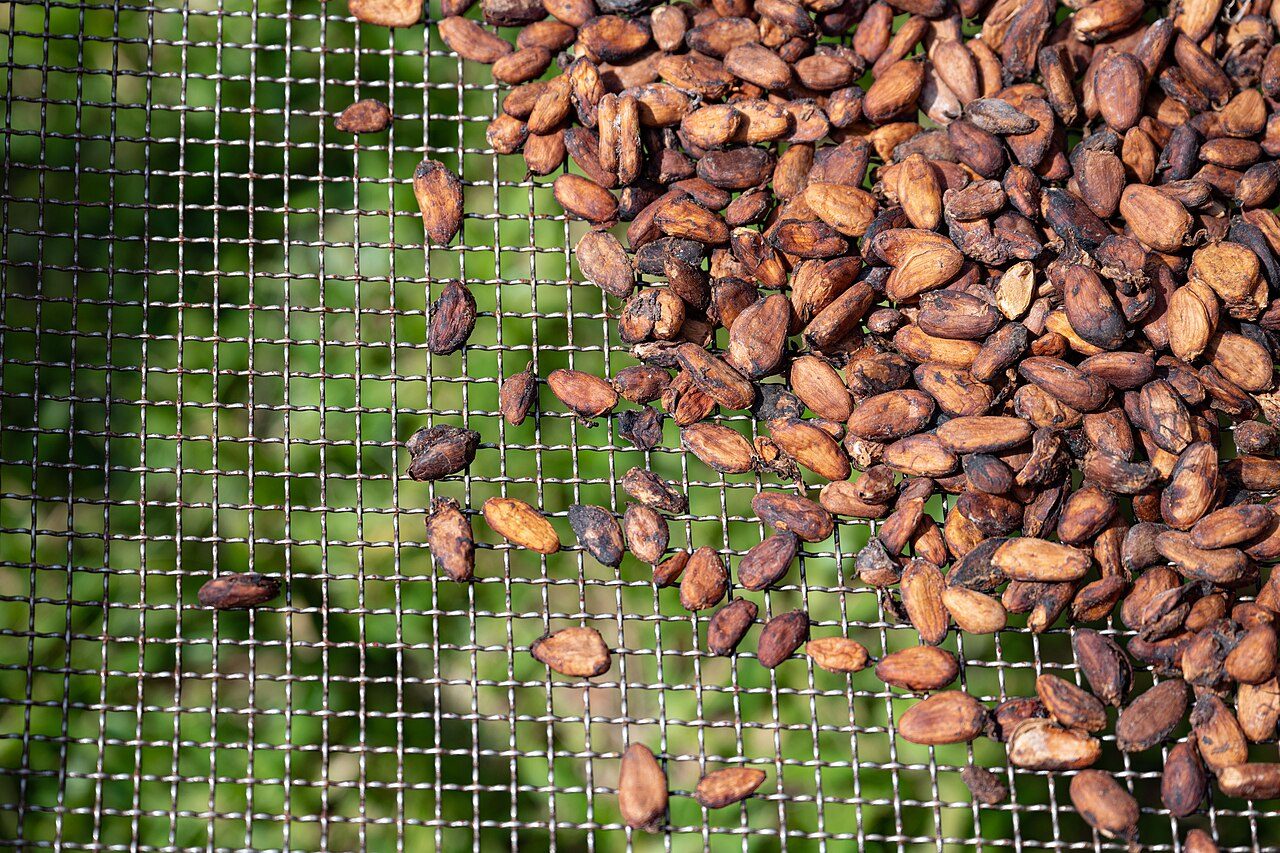
Fermented vs unfermented cocoa
Photo: Milequem Diarassouba · CC BY-SA 4.0
Fermentation shapes flavour, colour and price. How fermented and unfermented beans differ, how the cut test shows it, and how each is used.
Two cocoa beans can come from the same tree and still end up in very different products. The difference is often made in the first week after harvest — during fermentation. For buyers, knowing whether beans are fermented or unfermented is the first step in matching a lot to the right process.
What fermentation does
After the pods are opened, the beans and surrounding pulp are left in heaps or boxes for several days. Yeasts and bacteria break down the pulp and the heat they produce triggers chemical changes inside the bean. These changes reduce bitterness and astringency and create the flavour precursors that develop into chocolate flavour during roasting.
Unfermented beans
Unfermented beans are dried without this step. They keep more of their natural polyphenols, which gives a more bitter and astringent taste and usually a purple or slaty colour inside. They are generally used in applications that do not depend on classic chocolate flavour, and some processors value them for their polyphenol content.
| Fermented | Unfermented | |
|---|---|---|
| Flavour | Developed chocolate notes | More bitter and astringent |
| Cut-test colour | Mostly brown | Mostly purple or slaty |
| Typical use | Chocolate and premium cocoa products | Selected industrial uses and extraction |
| Post-harvest steps | Fermentation, then drying | Drying only |
The cut test: seeing the difference
The cut test is the standard way to check fermentation. A sample of beans — commonly 100 or 300 — is cut lengthwise and each bean is classified by colour and defects: well fermented (brown), partly fermented, purple, slaty, mouldy or insect-damaged. The result is a quick, practical picture of a lot's quality and is often written into contracts.
Drying still matters
Whether or not beans are fermented, they must be dried properly — usually to a moisture level of around 7–8% — to prevent mould during storage and shipping.
Our cocoa beans
PT Premium Tropical Commodities's cocoa beans come from Balinggi, Parigi Moutong, in Central Sulawesi. They are unfermented raw beans, sun-dried, from a mix of the S2 and Masama clones, and are currently offered as samples for preliminary evaluation. Commercial specifications, quality parameters and volumes can be discussed with our team.
Frequently asked questions
What is the difference between fermented and unfermented cocoa beans?
Fermented beans go through several days of fermentation that develops chocolate flavour precursors; unfermented beans are only dried and taste more bitter and astringent.
How do you check whether cocoa beans are fermented?
With a cut test: beans are cut lengthwise and classified by interior colour — brown for well fermented, purple or slaty for unfermented.
Are PTC's cocoa beans fermented?
No. They are sun-dried, unfermented raw beans from Central Sulawesi, currently available as samples.
Related products
Have a question about this topic?
Our team will answer with specifications, availability and terms for your market.