
Buyer guide
How to Import Coconut Products from Indonesia: A Step-by-Step Buyer's Guide
PTC Export Desk6 min read

A practical guide for importers sourcing semi husked coconut, copra and coconut shell charcoal from Indonesia — specifications, Incoterms, documents and shipping.
Indonesia is one of the world's largest coconut producers, with coconut palms grown across thousands of islands from Sumatra and Java to Sulawesi. For importers, that scale means choice — but also real differences in quality, sizing and logistics from one region and one supplier to the next. This guide walks through the steps we see successful buyers take when they source coconut products from Indonesia for the first time.
Why source coconut products from Indonesia
- Large, geographically spread production that supports year-round sourcing discussions
- A full range of coconut products — whole mature nuts, copra and coconut shell charcoal
- Established export ports with regular container services to Asian markets
- Short sea-freight distances to China, India, Vietnam, Thailand and Malaysia
Step 1 — Define the product and your application
Start with how you will use the product, because that decides which parameters matter. A coconut milk processor buying semi husked coconuts cares about nut weight, freshness and meat thickness. An oil mill buying copra focuses on moisture, oil content and free fatty acid (FFA). An activated carbon producer buying coconut shell charcoal looks at fixed carbon, ash and volatile matter. Writing these requirements down before you contact suppliers makes every quotation you receive directly comparable.
Step 2 — Shortlist exporters and request samples
Ask each supplier where the product is sourced, how it is processed and which documents they can issue. Then request a sample and test it against your own specification rather than relying on a datasheet alone. At PT Premium Tropical Commodities, samples are available on request, subject to the product and shipping arrangements.
Step 3 — Agree specifications, packaging and volume
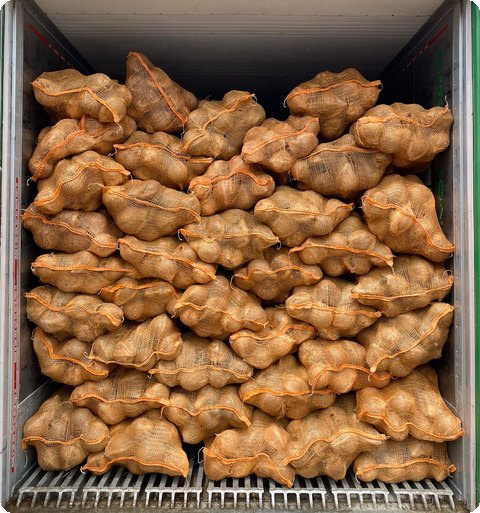
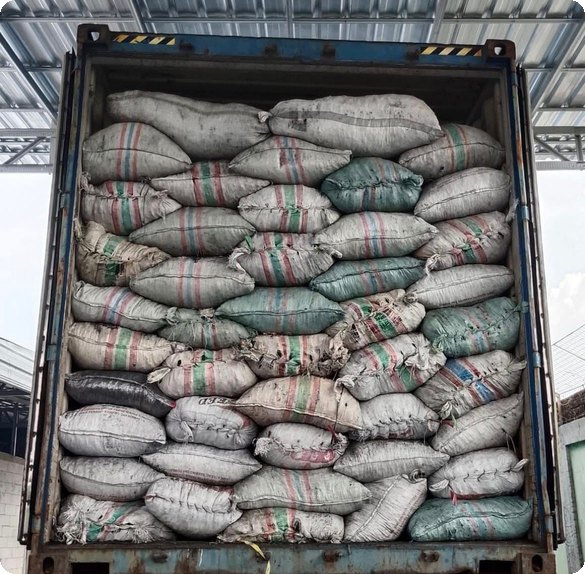
Put the agreed parameters, tolerances and test methods in writing, together with packaging and quantity. Most commodity exporters work in full containers; our minimum order is one 20 ft container. Semi husked coconuts and coconut shell charcoal are usually packed in PP bags, while copra is commonly loaded in bulk.
| Product | Typical buyer | Parameters to agree |
|---|---|---|
| Semi Husked Coconut | Coconut milk, desiccated coconut and copra processors | Weight per nut, moisture, impurity, freshness |
| Copra | Coconut oil mills | Grade, moisture, oil content, FFA, foreign matter |
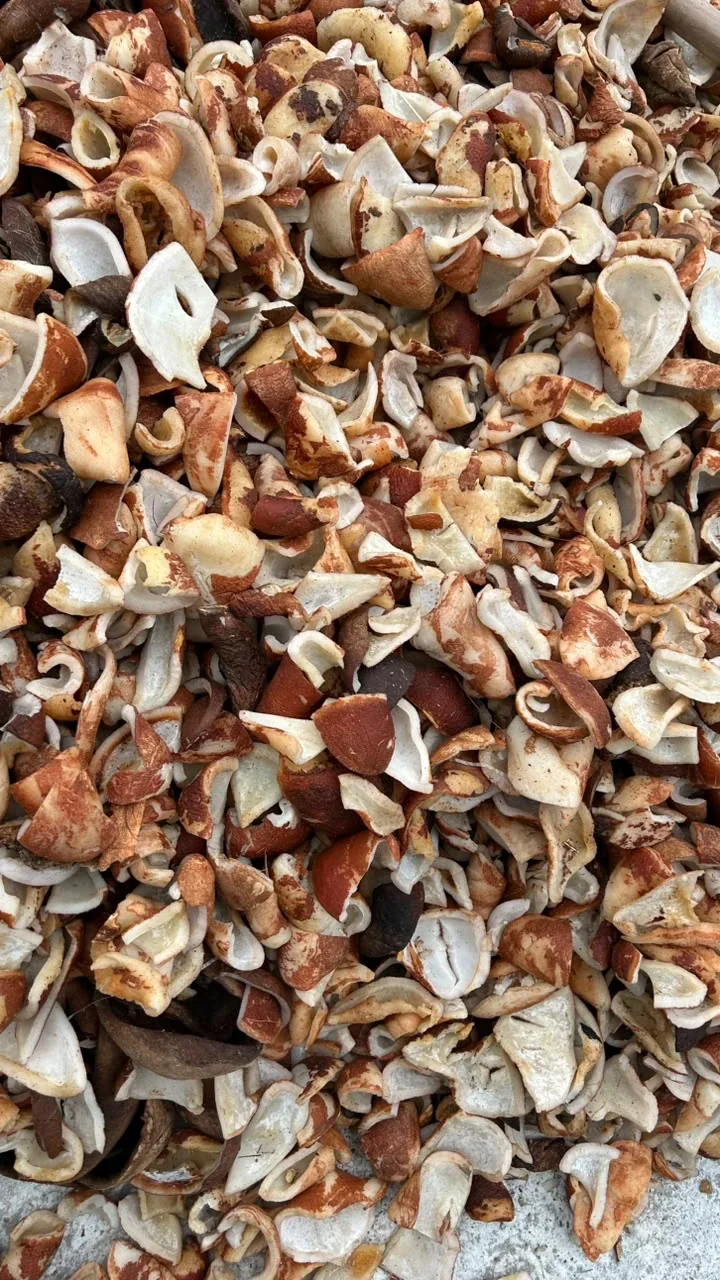
| Coconut Shell Charcoal | Activated carbon and briquette producers | Fixed carbon, ash, moisture, volatile matter, size |
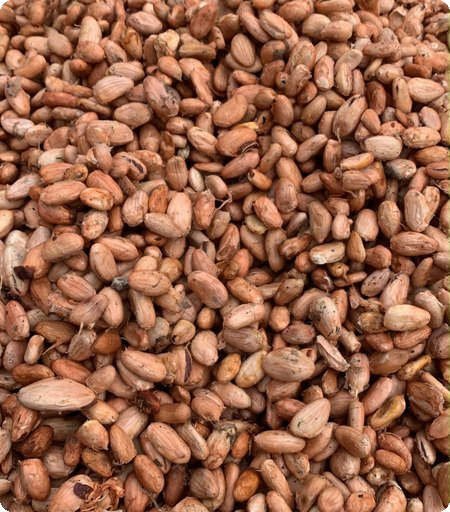
| Cocoa Beans | Cocoa processors | Moisture, bean count, cut test, fermentation |
Step 4 — Choose an Incoterm and a loading port
The Incoterm decides who arranges and pays for each leg of the journey and where risk passes from seller to buyer. We work with EXW, FOB, CNF (CFR) and CIF, subject to the transaction agreement. Goods are loaded at Tanjung Perak in Surabaya or Pantoloan in Palu, depending on where the lot is sourced and which shipping services suit your destination.
Step 5 — Prepare documents and inspection
A typical export set includes a commercial invoice, packing list, bill of lading and certificate of origin, plus a phytosanitary certificate for plant products where the importing country requires it. Many buyers also appoint an independent surveyor to check quality and quantity before loading. Agree the full document list before shipment — missing paperwork is a common reason containers are held at the destination port.
Step 6 — Payment, shipment and the next order
Payment terms and currency are agreed per transaction; PTC works with bank transfer (T/T) in USD or IDR. After the first container arrives, share your test results and feedback. Consistent feedback is the fastest way to fine-tune specifications and build a reliable, long-term supply.
What PT Premium Tropical Commodities supplies
- Semi Husked Coconut from Sulawesi — 500–1,200 g per nut, moisture up to 20%, impurity max. 3%
- Copra in three grades — Grade A Edible, Grade B Regular and Grade C Cracked
- Coconut Shell Charcoal — fixed carbon min. 78%, ash max. 3%, moisture max. 15%
- Cocoa Beans from Central Sulawesi — sun-dried and unfermented, currently at sample stage
Frequently asked questions
What is the minimum order for coconut products from Indonesia?
It depends on the exporter. Most work in full containers; PT Premium Tropical Commodities's minimum order is one 20 ft container.
Which Incoterms can I buy on?
We offer EXW, FOB, CNF (CFR) and CIF, subject to the transaction agreement. The right choice depends on whether you prefer to control freight and insurance yourself.
Can I test a sample before ordering?
Yes. Samples are available on request, subject to the product and shipping arrangements.
Related products
Have a question about this topic?
Our team will answer with specifications, availability and terms for your market.