Trade & regulation
EUDR and Cocoa: What Buyers of Indonesian Cocoa Beans Need to Prepare
PTC Export Desk6 min read
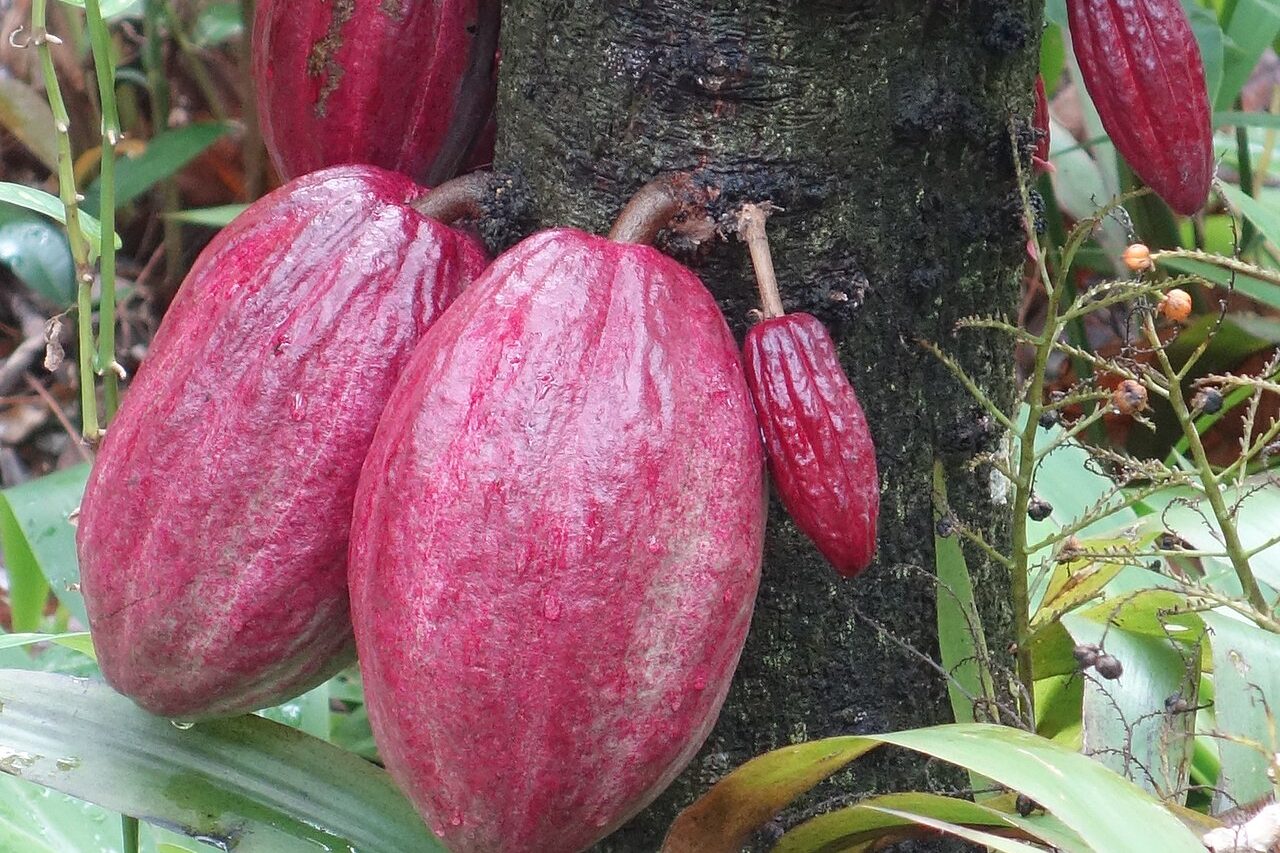
EUDR & cocoa what to prepare
Photo: Pkraemer · CC BY-SA 4.0
The EU Deforestation Regulation puts cocoa under due-diligence rules. Here is what it asks for, what it means for Indonesian cocoa beans, and how suppliers and buyers can prepare.
The EU Deforestation Regulation — Regulation (EU) 2023/1115, usually shortened to EUDR — is changing how cocoa is bought and sold around the world. It requires companies that place certain commodities on the EU market, or export them from it, to prove those goods are deforestation-free and legally produced. Cocoa is one of the commodities in scope. Even if your own market is outside Europe, the rules are reshaping traceability expectations across the whole cocoa supply chain.
Which commodities the EUDR covers
The regulation covers seven commodities — cattle, cocoa, coffee, oil palm, rubber, soya and wood — and many products made from them, such as chocolate, cocoa butter and cocoa powder. Coconut products such as copra, semi husked coconut and coconut shell charcoal are not among the listed commodities.
The three core requirements
- Deforestation-free: the cocoa must come from land that was not deforested after 31 December 2020
- Legal: it must be produced in line with the relevant laws of the country of production
- Covered by a due diligence statement: the operator collects information, assesses risk and submits a statement before placing the goods on the market
Geolocation: the requirement that changes the most
The most demanding piece of information is geolocation — the coordinates of every plot of land where the cocoa was grown, with polygons required for larger plots. Indonesian cocoa is grown largely by smallholders, many of them in Sulawesi, so collecting and keeping plot-level data is a real task. It is also the area where early preparation pays off: suppliers that already map their farmer base can respond far faster when a buyer asks.
| What buyers may ask for | Why it matters |
|---|---|
| Plot geolocation (points or polygons) | Shows where the cocoa was grown and allows a deforestation check |
| Proof of legal land use and production | Covers the legality requirement |
| Batch-level traceability records | Links each shipment back to the plots it came from |
| Supplier and farmer group details | Supports the buyer's risk assessment |
Timeline: check the latest application date
The EUDR entered into force in 2023, but its application date has been postponed more than once, and the European Commission has also published simplifications for smaller operators. Because the timeline can change, always confirm the current dates on the European Commission's official EUDR pages before you plan contracts around them.
What this means for buyers outside the EU
If you process cocoa in Asia and sell products into Europe, your EU customers will need traceability data from you — which means you will need it from your bean suppliers. Even buyers with no EU exposure are seeing traceability become a standard question in sustainability reporting. Treating plot-level data as a normal part of a cocoa contract is quickly becoming good practice.
How PT Premium Tropical Commodities approaches cocoa
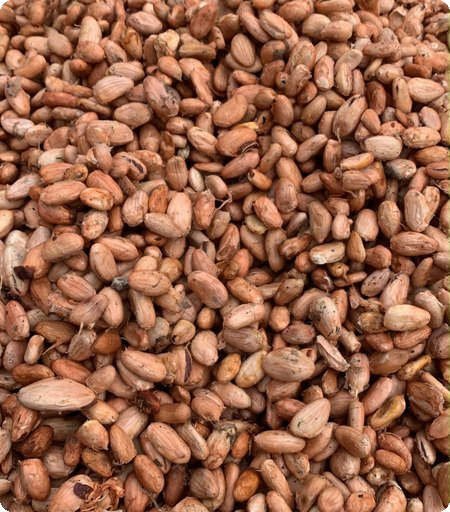
Our cocoa beans come from Balinggi, Parigi Moutong, in Central Sulawesi. They are sun-dried, unfermented raw beans — a mix of the S2 and Masama clones — and are currently at the sample stage for buyer evaluation. If traceability information is part of your requirement, tell us at the inquiry stage so we can discuss what can be prepared for your volume and destination.
Frequently asked questions
Does the EUDR apply to cocoa beans?
Yes. Cocoa is one of the seven commodities covered, together with products made from it such as cocoa butter, cocoa powder and chocolate.
Are coconut products covered by the EUDR?
No. Coconut products such as copra, semi husked coconut and coconut shell charcoal are not among the listed commodities.
What is the deforestation cut-off date under the EUDR?
31 December 2020. Cocoa must come from land that was not deforested after that date.
Related products
Have a question about this topic?
Our team will answer with specifications, availability and terms for your market.