
Trade & regulation
New IMDG Rules for Shipping Charcoal: What Changed in 2026 for Coconut Shell Charcoal
PTC Export Desk6 min read
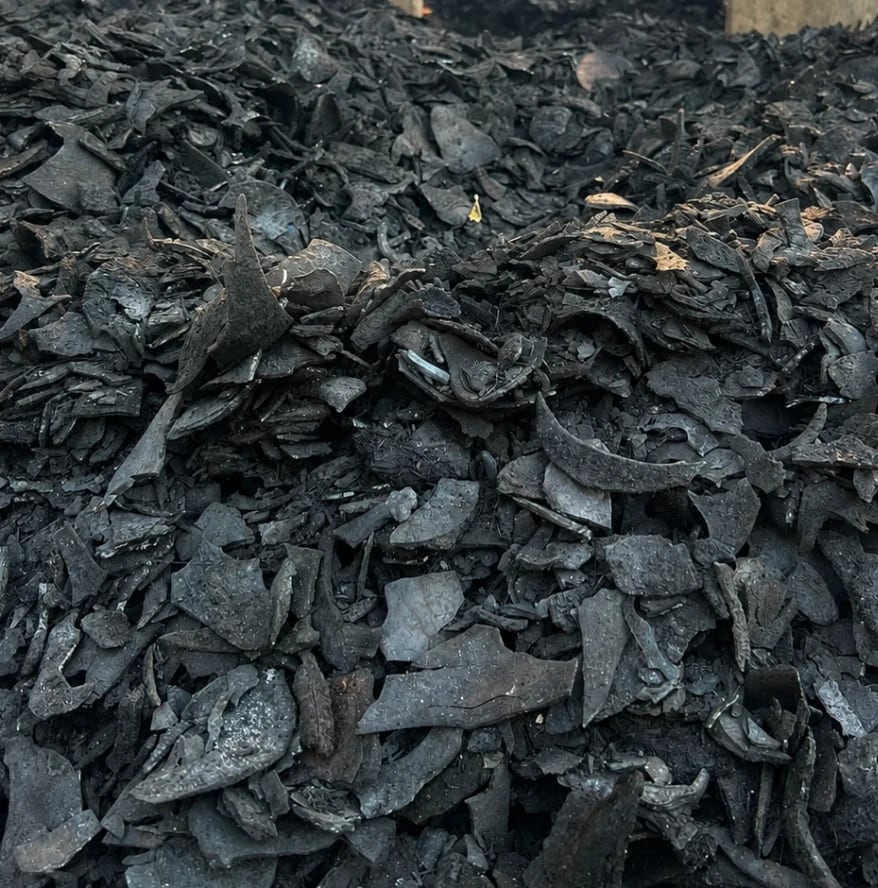
Charcoal shipping the 2026 rules
Amendment 42-24 of the IMDG Code ended the self-heating-test exemption for charcoal. Here is what changed for UN 1361, what SP 978 requires, and how coconut shell charcoal shipments are prepared now.
Charcoal can heat up on its own. Fresh charcoal absorbs oxygen and moisture, the reaction gives off heat, and in a closed container that heat can build into a fire at sea. For years many charcoal shipments moved as non-dangerous cargo because they passed a laboratory self-heating test. Amendment 42-24 of the International Maritime Dangerous Goods (IMDG) Code changed that, and it has been mandatory since 1 January 2026.
What changed under Amendment 42-24
- Special provision 925, which allowed charcoal that passed the UN N.4 self-heating test to be shipped outside the Code, was withdrawn
- Special provision 223 no longer applies to UN 1361 and UN 1362
- New special provision 978 sets conditions for carbon of animal or vegetable origin, including charcoal
- New special provision 979 covers steam-activated and chemically activated carbon that meets its criteria
The practical result: a passing N.4 test on its own no longer takes charcoal out of the IMDG Code. Coconut shell charcoal, briquettes made from it and similar carbon products are treated as UN 1361 (carbon, animal or vegetable origin, Class 4.2 — substances liable to spontaneous combustion) unless a specific exemption applies.
What SP 978 asks shippers to do
Special provision 978 focuses on how the charcoal is conditioned, packed and stowed. It sets weathering requirements — letting the charcoal stabilise before packing — and a temperature limit: the material must not exceed 40 °C on the day it is packed. It also sets packaging and stowage conditions for the container on board.
| Area | What shippers should expect |
|---|---|
| Classification | UN 1361, Class 4.2, declared as dangerous goods |
| Conditioning | Weathering before packing, as set out in SP 978 |
| Packing temperature | Not above 40 °C on the day of packing |
| Documents | Dangerous goods declaration and container packing certificate |
| Container | Placards and marks for Class 4.2, carrier-approved stowage |
What this means for buyers
Carriers now book charcoal as dangerous cargo, which can mean fewer available sailings, carrier-specific acceptance rules and different freight rates than general cargo. Some carriers began enforcing the new requirements before the January 2026 date. Buyers should confirm with their supplier, early in the negotiation, that the shipment will be declared and prepared under the current rules — a mis-declared charcoal container is a safety risk and can lead to the cargo being refused or held.
How PT Premium Tropical Commodities prepares charcoal shipments
We discuss the shipping line, booking conditions and documents with each buyer before confirming a charcoal order, and we follow the current IMDG requirements together with the carrier's own acceptance rules. Specifications such as fixed carbon, ash and moisture are agreed separately, and independent inspection can be arranged before loading.
Frequently asked questions
Is coconut shell charcoal dangerous goods for sea freight?
Under the current IMDG Code, charcoal is generally carried as UN 1361, Class 4.2. Since Amendment 42-24, passing the UN N.4 self-heating test no longer exempts it from the Code.
When did the new charcoal rules become mandatory?
Amendment 42-24 became mandatory on 1 January 2026. Some carriers applied the requirements earlier, so always check your carrier's current rules.
Does activated carbon fall under the same rules?
Steam-activated or chemically activated carbon may be exempted under special provision 979 if it meets that provision's criteria. Non-activated coconut shell charcoal is not covered by that exemption.
Related products
Have a question about this topic?
Our team will answer with specifications, availability and terms for your market.